

Community News Quarterly | October 2025

Innovate, Adapt, Protect: The 20th PDA Pharmaceutical Microbiology Conference
Mark your calendars! From 27–29 October 2025, the pharmaceutical microbiology community will gather for the highly anticipated 20th PDA Pharmaceutical Microbiology Conference, the premier event dedicated to advancing microbial science and innovation in pharmaceutical manufacturing.
This year’s conference theme, “Microbial Resilience – Today’s Response, Tomorrow’s Plan,” highlights the critical need for microbiologists to use proactive strategies to tackle challenges in the evolving pharmaceutical landscape. As we face increasing pressures from regulatory updates, technological advancements, and global health challenges, this conference promises to be a platform for thought leadership, collaboration, and actionable solutions that will shape the future of pharmaceutical microbiology.
Why You Should Attend
The conference is designed to bring together microbiologists, scientists, quality professionals, regulatory experts, and industry leaders to explore cutting-edge approaches to microbial control, detection, and prevention. Whether you are looking to stay informed about emerging trends or seeking to expand your professional network, this event is a must-attend for anyone in the field of pharmaceutical microbiology.
Here is what you can expect:
- World-Class Keynotes and Presentations
Hear from renowned experts and thought leaders who will provide insights into microbial resilience, contamination control strategies, and the role of innovation in shaping the future of pharmaceutical manufacturing. - Interactive Panel Discussions
Engage with regulatory authorities, industry veterans, and academic researchers in thought-provoking discussions on topics such as microbial resistance, aseptic manufacturing, and environmental monitoring. - Cutting-Edge Technical Sessions
Dive deep into advanced topics like rapid microbial detection technologies, data-driven contamination control, and predictive analytics in microbial management. - Networking Opportunities
Connect with peers from across the globe to exchange ideas, share best practices, and foster collaborations that will drive innovation in pharmaceutical microbiology. - Exhibitor Showcase
Explore the latest technologies, products, and services from leading suppliers and innovators in the pharmaceutical microbiology space.
Theme Spotlight: Microbial Resilience
As the pharmaceutical industry continues to evolve, microbial resilience has emerged as a critical area of focus. This year’s theme underscores the importance of not only responding effectively to microbial challenges today but also planning proactively for the future. The conference will delve into strategies to build robust microbial management systems that can withstand tomorrow’s uncertainties, ensuring product safety and patient health.
Do Not Miss Out!
The 20th PDA Pharmaceutical Microbiology Conference is more than just an event—it is an opportunity to shape the future of microbial science and its application in pharmaceutical manufacturing. Join us as we explore the challenges and opportunities of microbial resilience and work together to build sustainable solutions for a healthier tomorrow.
Register today and be part of the conversation that drives innovation and excellence in pharmaceutical microbiology.

[Editor’s Note: PDA interviewed six award nominees for the 2025 PDA Drug Delivery Innovation Awards. This award is widely regarded as a standard of excellence in the biomedical and pharmaceutical industry, recognizing outstanding achievements in technical innovation. You can read the stories of each nominee below.]
Revolutionizing Biosimilar Delivery Through Wearable Injectors
Andrei Yosef, General Manager and President, LTS Device Technologies
Andrei Yosef, for his innovation, submitted "Lessons Learned: A Device Manufacturer's Perspective on the Launch of the First Biosimilar in an On-Body Injector". The device, Sorrel, is a novel, wearable drug delivery device, and the first to administer a biosimilar. It innovates how medication is provided. Eliminating the need for a second visit by the patient is making the health care provider eco system and the patient journey easier.
Andrei describes how he was inspired to create this solution:
“This all started with a personal story of mine. My journey with this project began many years ago when I regularly drove a close family member to the hospital for their medication. This experience profoundly changed my life and perspective, ultimately motivating me to establish this company and develop our product. I dedicated myself to making a meaningful difference for patients and their families, even if it seemed like a small contribution. This commitment reflects the core purpose we are driven by at LTS: We CARE. We CREATE. We DELIVER. These guiding principles are not just words—they shape how we innovate, collaborate, and bring impactful solutions to life.” He adds, “The pivotal shift in my thinking occurred during those drives. My family member, an oncology patient with a compromised immune system, had to visit the hospital for subcutaneous injections. I realized that hospitals, while essential, are environments where patients are exposed to numerous pathogens, including bacteria, fungi, and viruses. By reducing the need for hospital visits, we not only minimize this exposure but also significantly enhance the quality of life for both patients and their families.”
He says the launch of the first biosimilar in an on-body injector presented a unique challenge and opportunity. “Our team was driven by the need to ensure patient safety, device reliability, and regulatory compliance while navigating uncharted territory. The lessons learned during this process inspired us to document and share our experience to help others in the industry. Venturing into an uncharted territory is always a challenge but also the best way to have an impact,” he explains. He adds, “This innovation was possible due to multiple technological innovations in the drug delivery mechanism in multiple fields from human factors engineering, to mechanical engineering, electronic and software.”
Andrei hopes this work will serve as a practical guide for other device manufacturers and stakeholders involved in biosimilar launches. He says, “Our goal is to foster collaboration and transparency across the industry, ultimately improving patient outcomes and accelerating innovation.” He adds, “My primary aspiration is for this device to reach millions, enhancing their lives and the lives of their families. Additionally, I hope this project will inspire other companies to take bold steps and invest in initiatives that improve patient care.”
Andrei cautions that innovation is often slowed by regulatory uncertainty, risk aversion, and siloed communication between stakeholders. “Overcoming these barriers requires a culture of openness, proactive risk management, and strong cross-functional alignment. Specifically, for this project, joint work with the FDA during the project helped the project to achieve its innovative approach with the regulatory body being a partner in the innovative solution,” he explains. On the positive side, his innovation was made possible by the support of patients and their families. “The moment you witness the patients in the pre-market study and market preference results you know you are on the right path, as this small change was a huge change for them,” he says. “In order to achieve innovative change, we needed the unwavering commitment of our cross-functional team which was the key driver. Their expertise, resilience, and collaborative spirit enabled us to navigate complex challenges and deliver a successful launch. The teamwork between the Pharma company, the device company, the healthcare providers and the regulatory bodies was crucial for the success.”
As an innovator, Andrei advises other innovators to, “Stay curious, be bold, and embrace the unknown. Innovation thrives when teams are empowered to challenge assumptions, learn from setbacks, and remain focused on the end goal—delivering value to patients. Some of the risks you see ahead of you can be overcome with clear communication. The communication with payers, regulators, and partners is key to overcome the challenges ahead.”
Industry and peer support for innovation is important. Andrei says that winning the award would be a meaningful recognition of his team’s dedication and the impact of their work on patients. He says, “More importantly, it would validate the importance of sharing real-world experiences to advance the field of drug delivery and pushing forward innovative solution. And in the end if comes back to the patients and their families, this will be a meaningful recognition to the change we did in their life.”
He recognizes PDA as a valuable platform for knowledge exchange, networking, and professional growth. “Its commitment to advancing science and technology in the pharmaceutical industry aligns closely with our mission and values.” Andrei is invested in PDA and has been actively working with the PDA organizing committee for the 2020 Conference for the last five years. He adds, “I am looking forward to continuing to do that and keep pushing PDA forward as much as I can. I see crucial value for PDA in the landscape and professionalism of the pharmaceutical industry and as a supporter of critical innovative solutions.”
The Innovator
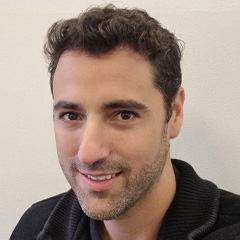 Andrei Yosef, General Manager and President, LTS Device Technologies
Pioneering Digital Instructions for the Fasenra Autoinjector
Katie Cornish, Senior Human Factors Engineer, AstraZeneca
Thomas Grant, Senior Human Factors Specialist, Team Consulting
 Katies Cornish and Thomas Grant have drawn on insights from user interactions and on-market
data for the Fasenra autoinjector and developed an interactive digital instructions for use (IFU) to support patient onboarding and adherence. The partners were inspired to create this solution because self-injection can be daunting and overwhelming
for patients. They explain, “Injection training is not always as effective or consistent as it could be, and historically, paper-based instructions have been lengthy and difficult to navigate. Increasingly, patients are expecting the same resources
and support as they have come to expect from consumer products, with many looking to online resources to supplement their learning, often from unofficial sources.” Team Consulting and AstraZeneca saw an opportunity to address this unmet user
need and develop an interactive digital set of instructions to supplement the paper instructions for the Fasenra Pen.
Katies Cornish and Thomas Grant have drawn on insights from user interactions and on-market
data for the Fasenra autoinjector and developed an interactive digital instructions for use (IFU) to support patient onboarding and adherence. The partners were inspired to create this solution because self-injection can be daunting and overwhelming
for patients. They explain, “Injection training is not always as effective or consistent as it could be, and historically, paper-based instructions have been lengthy and difficult to navigate. Increasingly, patients are expecting the same resources
and support as they have come to expect from consumer products, with many looking to online resources to supplement their learning, often from unofficial sources.” Team Consulting and AstraZeneca saw an opportunity to address this unmet user
need and develop an interactive digital set of instructions to supplement the paper instructions for the Fasenra Pen.
They add, “We specifically designed the Fasenra IFU to include the same information as the paper-based IFU, while utilizing behavioral design principles to reduce cognitive load and help prevent users from feeling overwhelmed. The digital format facilitated the enhancement of the user experience in a way that cannot be done on paper. This included the use of information chunking and hierarchy to present key instructions in an accessible way, as well as the use of animations to help address known use issues of two-step autoinjectors (such as early lifting).
All innovators aspire to have their work widely adopted. Katie and Tom say, “Our goal is that users who are interested in seeking additional injection support will scan the QR code on the Fasenra packaging to access the interactive digital IFU during their first injection at home, or to refresh their memory later. They can also access the digital IFU from the Fasenra website and bookmark it, making it easily accessible. As it is web-based, there is no need to spend time downloading an app, removing a potential barrier to engagement.” They continue, “The digital format has the benefit of being able to monitor real-world use, allowing us to implement updates much more quickly than for a paper IFU and further optimize the patient experience. We hope that the digital IFU will ultimately help patients to feel more confident, adhere to their treatment plan, and reduce device abandonment.”
The partners were largely on uncharted ground without other digital solutions to guide them. They explain, “This is a relatively new space for self-administered parenteral devices. There are a few examples of digital instructions (beyond a PDF IFU) available for other products in the injection space. Therefore, we conducted extensive research and user testing to develop and refine the digital IFU. It was also a new space for AstraZeneca, meaning that we needed to navigate a new process with new teams to achieve the goal, as well as understand the regulatory framework. Having a tangible and robust prototype that could be shared across multidisciplinary teams helped to ensure buy-in from various stakeholders and continue to drive the project forward.”
Innovation work can often be a lonely vigil. It takes shared purpose and commitment to forge new ground. They explain, “A combination of three key factors supported the development of the digital IFU. Firstly, AstraZeneca and Team Consulting both share a core value and history of patient-centricity and prioritizing user needs, and we recognized an unmet user need for a digital resource that we wanted to address. Secondly, the electronic product information (ePI) landscape is changing, accompanied by a gradual mindset shift, and we wanted to demonstrate leadership in this area. Finally, as an industry, we recognize known use issues with 2-step autoinjectors, and as a team, we wanted to utilize a digital format to address them further.”
They are enthusiastic about their work and encourage others to pursue further innovation in this space, making digital instructions for combination products more widely available to patients. They explain, “For anyone considering this, we suggest starting with foundational research to understand the needs of their users, different learning styles and preferences to help inform the design. Early prototyping and regular usability testing with users will ensure that the design can evolve in response to and with the needs of users in mind. Finally, we recommend engaging with internal stakeholders and subject matter experts early in the design process to ensure that the solution is viable from a commercial and regulatory perspective.”
Winning the innovation award has a ripple effect: “The award would provide important recognition for the value of spending time and resources on supporting our patients, beyond what is required from a regulatory perspective. It would also help us to showcase that the solution doesn’t need to be (and in fact shouldn’t be) complex, such that other companies can easily implement similar digital versions of their IFUs, supporting patients using a range of different combination products. We are hoping to inspire others to follow suit, improving the lives of patients globally,” they say.
PDA’s support of innovation and role in providing a meaningful community are key to professional development. AstraZeneca and Team Consulting regularly attend and support PDA conferences throughout the year to share knowledge, learn from others, connect with the community, and be an active part of the community. Katie is part of Biopharmaceutical Development (BPD) at AstraZeneca, and her role is solely focused on parenteral drug delivery. She hopes to share further industry insights and learning within the PDA community as the digital space continues to evolve. Tom has presented expert views and discussions around the latest developments in drug delivery at PDA events, and Team Consulting is actively involved in moderating and supporting the organization of expert presentations.
The Innovators
 Katie Cornish, Senior Human Factors Engineer, AstraZeneca
 Thomas Grant (Team Consulting) , both based in the United Kingdom, are partners in innovation.
Empowering Patients with Connected Autoinjectors
Matt Keiser, Director, Core Team Leader, Device and Connected Solution Engineering, Global Healthcare Operations, Merck Switzerland
Marco Rigamonti, General Manager of Health Design Solutions, Flex
Innovative teamwork can be meaningful and empowering. Matt Keiser and Marco Rigamonti worked together to create a connected injection platform. Their submission, Empowering Patients: The Benefits of Connected Injection Devices on Health Outcomes – A Focus on Autoinjectors, describes a solution that will make patients’ lives less stressful. The connected injection platform is the next generation electromechanical autoinjector, enabling a smooth and convenient patient treatment experience and empowers health care providers with real-time data. With a smartphone-like large color touch screen, personalized settings, and on-screen, step-by-step guidance, it is easy for patients to use.
Marco says they were inspired to create this solution by “a passion for innovation and the design of successful medical products that truly benefit patients, improving adherence and therapy outcomes.” Matt adds, “At Merck, we don’t just focus on the drug, we focus on everything around the drug that brings benefits to the patients we serve.” They are optimistic about their innovation, and Marco says, “First and foremost we want to improve the patient journey. Secondly, our goal is to raise awareness that when innovation and usability are properly combined, they can create value for all stakeholders involved in therapy management of chronic disease.” Matt adds, “We hope to inspire others to do similar work in the area of chronic care.”
Innovation in the medical field is about overcoming challenges. Marco describes the main barriers as time to market, slow adoption, cost pressures, and safety requirements. In addition, Matt says digital health solutions are often secondary to the main priority at pharma companies, the drug itself. “Significant, continuous investment is necessary to be successful,” he explains.
However, our investments in a connected autoinjector have demonstrated to improve therapy outcomes, as confirmed in clinical studies.
In describing the biggest factor that supported their innovation, Marco says it was, “The knowledge and experience gained over the past 20 years in the drug delivery market, along with valuable feedback collected from users.” Matt adds, “We used data from previous device generations to inform subsequent innovations.” Pursuit of innovation can be challenging. Matt continues, “Focus on creating value for patients. Indeed, keep it simple and focus on the major pain points for patients and caregivers.” Marco adds, “Keep solutions simple yet scalable for future iterations, and always place patient needs and usability as the top priority.”
Winning the innovation award “would represent the ultimate recognition of years of hard work and significant investments in both human resources and capital, and it would be a source of pride for everyone involved in developing the solution,” but most of all it’s about patient outcomes through connected devices and improved compliance explains Marco. He believes that PDA has played an important role in leveraging collaboration for many years to build networks and share the results with the pharmaceutical community of continuous innovation.
The Innovators
 Matt Keiser, Director, Core Team Leader, Device and Connected Solution Engineering, Global Healthcare Operations, Merck Switzerland
 Marco Rigamonti, General Manager of Health Design Solutions, Flex
RFID-Enabled TOPPAC® Infuse: Redefining Smart Syringes for Safer Care
Cristoph Zauner, Head of Product Management, Polymer Solutions, SCHOTT
Nick Petersen, Vice President of Corporate Development, Bluesight
Cristoph Zuner and Nick Petersen innovated the next-generation of SCHOTT TOPPAC® infuse syringes featuring a functional label covering the syringe barrel and cap with a digital first-opening indication, ensuring product integrity and ease of use. Integrated RFID chips enable real-time traceability and seamless integration with hospital inventory systems, improving stock control and workflow automation.
Christoph and Nick describe their joint effort as delivering a compact, protective, and intelligent solution that reduces preparation time, minimizes waste, and supports modern healthcare’s demand for safety, speed, and digital connectivity. What inspired them? The team says the inspiration came from the pressing challenges faced in hospital environments— expensive and inefficient drug handling procedures, high drug waste, contamination risks, and medication errors. They add, “SCHOTT TOPPAC® infuse was developed to address these issues by offering a next-generation prefilled syringe system that enhances drug stability and reduces waste, while offering instant labor savings and increased safety through integration with existing RFID-driven automation systems.”
The goal behind the innovative solution is to become the preferred choice for intravenous drug delivery in hospitals worldwide. They explain, “We aim to streamline hospital operations, reduce costs, and improve patient outcomes by minimizing contamination and medication errors. RFID enablement opens up new, mature markets for facilities using these automation systems today, allowing for valuable product differentiation. Ultimately, we want to support pharmaceutical companies in accelerating their time-to-market while ensuring the highest standards of drug integrity and safety.” They admit that innovation is often impeded by strict regulatory requirements, long development cycles, and resistance to change in clinical settings. Additionally, the complexity of integrating new technologies into existing hospital workflows and filling lines can slow down adoption. Overcoming these barriers requires not only technical excellence but also deep regulatory expertise and strong collaboration with stakeholders.
They say that the biggest factor that supported their innovation was that the market matured. “Downstream, healthcare organizations expressed clear preferences for ready-to-use formats with technology-enabled features that support their use of RFID technology. That move towards RTU has been led by Schott as a leader in the COC syringe market, with over 20 years of expertise and trust from more than 100 commercial customers, with the regulatory and technical expertise required not just to retool production lines but also pre-engineered solutions for technical challenges like RFID and first open indication,” they explain. They believe that innovation is critical for the industry and advise, “Stay close to the problem. Understand the pain points of your end users deeply and design solutions that are not only technically sound but also practical and scalable. Leverage existing expertise, build strong partnerships, and don’t underestimate the importance of regulatory strategy. Innovation is not just about new ideas—it’s about execution, validation, and impact.”
They believe that winning the innovation award would be a powerful recognition of their team's dedication to improving healthcare through smart, sustainable, and patient-centric solutions. It would also validate their efforts to push boundaries in drug delivery and reinforce their commitment to innovation that truly matters, because as they say, “Human health matters.”
Supporting innovation is in PDA’s DNA. They say the Association plays a vital role by fostering a community of experts, setting industry standards, and providing a platform for knowledge exchange. They add, “It helps us stay ahead of regulatory trends, connect with peers, and continuously improve our products and processes to meet the evolving needs of the pharmaceutical industry.”
Simplifying Lyophilized Drug Delivery
Seda Aksel, PhD, Global Product Manager, SHL, Zurich
Michael Thomas, Research Fellow, Lyophilization Technology, Inc.
 Seda Askel, based in Zurich, and Michael Thomas, based in Warminster, PA, collaborated on Reunite,
a novel autoinjector system consisting of a dual-chamber cartridge containing a lyophilized drug and diluent. The system auto-reconstitutes the drug with one straightforward user step, after which the patient can simply press the device against the
skin to deliver the reconstituted drug product subcutaneously. Seda says, ‘’We were driven by a clear and growing need in the industry. Biologics, while highly effective, are often unstable in liquid form without significant additional
investment in formulation development—making lyophilization essential for preserving their potency and shelf life. However, this process introduces significant challenges, especially in reconstitution and delivery. Traditional vial-based systems
can require 15 or more manual steps, creating added complexity for both pharmaceutical developers and patients, and often necessitating support from healthcare professionals for delivery.”
Seda Askel, based in Zurich, and Michael Thomas, based in Warminster, PA, collaborated on Reunite,
a novel autoinjector system consisting of a dual-chamber cartridge containing a lyophilized drug and diluent. The system auto-reconstitutes the drug with one straightforward user step, after which the patient can simply press the device against the
skin to deliver the reconstituted drug product subcutaneously. Seda says, ‘’We were driven by a clear and growing need in the industry. Biologics, while highly effective, are often unstable in liquid form without significant additional
investment in formulation development—making lyophilization essential for preserving their potency and shelf life. However, this process introduces significant challenges, especially in reconstitution and delivery. Traditional vial-based systems
can require 15 or more manual steps, creating added complexity for both pharmaceutical developers and patients, and often necessitating support from healthcare professionals for delivery.”
To address this gap, the team developed a user-friendly autoinjector designed to simplify the entire process and enable the self-administration of lyophilized drugs. By enabling automated reconstitution and injection, their solution reduces the number of steps, minimizes the risk of error, and enhances the overall patient experience. Their goal was to make lyophilized therapies more accessible, intuitive, and safe—ultimately improving outcomes for those who rely on them.
The team’s vision for Reunite is to become the go-to platform for administering lyophilized drugs—setting a new benchmark in drug delivery. Seda explains, “We envision a future where lyophilized therapies are not only more stable but also easier and safer to administer, thanks to intuitive, patient-centric solutions like Reunite. We aim to improve the patient experience while supporting pharmaceutical partners in delivering innovative treatments more efficiently.”
Being an innovator is exciting as well as a lot of hard work. Seda says, “Innovation is often slowed by multiple development loops and regulatory or operational bottlenecks. These challenges can stall momentum and make it harder to bring promising ideas to life. Rigid processes and fragmented communication can further complicate progress. To overcome these barriers, it’s essential to foster a culture of agility, transparency, and cross-functional collaboration—where teams are empowered to move quickly, learn from setbacks, and stay focused on delivering real value.” Michael adds, “The current industry trend is that pharmaceutical suppliers are seeking alternatives in packaging to suit their diverse and complex product portfolio. Considering such a shift, where drug developers are frequently outsourcing manufacturing, pre-filled device product and packaging development activities are stifled by the lack of current contract development and manufacturing options available. We see a growing need for services that are accompanied by the knowledge and expertise for processing products in such a novel product delivery system, which will allow companies to be fully prepared to lyophilize their products for Reunite at many competent sites.”
Seda says that SHL Medical has long been a pioneer at the forefront of drug delivery innovation—creating new solutions to address challenges for users and drug developers. She adds, “Our journey began over 25 years ago with the launch of our first injector for lyophilized drug products, and since then, we’ve continued to evolve, delivering a range of solutions including dual-chamber systems, variable dosing, and both manual and automated devices. Reunite is the culmination of this engineering excellence. It integrates best-in-class usability by automating previously manual user steps, significantly reducing the burden and risks inherent in manual mixing and dosing. The result is a device that makes lyophilized drug delivery as simple and intuitive as using a standard autoinjector.” Michael says Lyophilization Technology, Inc. is the ideal partner. “We have assumed the role of developing suitable and robust lyophilization cycles and device-assisting processes for the drug product that will be placed in the device and must be ready for administration in a critically short time period. Our process-enhancing carrier magazines have been refined to offer the advantages of improved heat transfer, product protection during drying and sealing the container and product in a degradant-free environment.”
Successful innovation requires one to always keep the patient at the center of everything you do. Seda explains, “Innovation should never be just about technology or novelty—it should be about solving real problems and improving lives. When you stay focused on the needs of the customer and the end user, especially in healthcare, your decisions become clearer, your solutions more meaningful, and your impact more powerful. Collaborate openly, challenge assumptions, and never lose sight of the human experience behind the innovation.”
She adds, “Winning the innovation award would be a meaningful recognition of the incredible teamwork and dedication that went into this project. It would highlight the outstanding contributions of our cross-functional team—including engineers, project managers, usability experts, and QA professionals—whose collaboration made this innovation possible. It’s not just a celebration of the final product, but of the shared vision, creativity, and perseverance that brought it to life. Being honored in this way would reinforce our commitment to pushing boundaries and delivering meaningful solutions for patients and partners alike.”
PDA’s support of innovation and professional development has been instrumental for both partners. Michael says, “I have met many colleagues in the industry through the PDA, for which I am grateful, as these individuals have shaped my professional network. To me, PDA is the ultimate organization for fostering safe, fundamental, innovative and straightforward concepts. I have also conducted training on the basics of lyophilization for the PDA for a few years in the TRI facility and have taken this role as a source of great pride.” Seda agrees, “PDA plays a key role in both my professional growth and my organization’s success. On a personal level, it provides access to cutting-edge knowledge, regulatory insights, and best practices that help me stay current and continuously develop my expertise. For my organization, PDA serves as a platform to exchange experiences with peers, explore innovative technologies, and bring back valuable perspectives that support compliance, quality, and innovation in our work.”
The Innovators
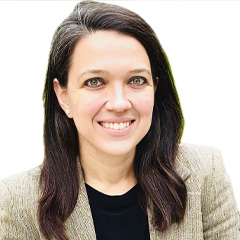 Seda Aksel, PhD, Global Product Manager, SHL, Zurich
 Michael Thomas, Research Fellow, Lyophilization Technology, Inc.
Minimizing Particulate Matter in Intravitreal PFS by Improving Syringe Manufacturing Process
Yuki Takeuchi, Global Product Manager for the PLAJEX Ready-to-Fill Syringe Portfolio, Terumo Pharmaceutical Solutions
Vincent Cazanave, Senior Device Engineer, F. Hoffman-La Roche
Yuki Takeuchi, based in Japan and Vincent Cazanave, based in Switzerland, partnered up to innovate the manufacturing process for the PLAJEX 0.5mL Luer Lock Silicone Oil-Free syringe, specifically designed for challenging low-dose PFS products such as intravitreal injection, enabling pharma developers to offer a safe, easy-to-use, and effective treatment option for patients with ophthalmic disorders. They say they were inspired to create this solution for the ophthalmic industry because, “When we stepped into the ophthalmic drug delivery area, we recognized that the importance of minimizing particles in drug products is on a different level compared to conventional drug delivery. To provide safe and reliable ophthalmic drug delivery for patients, it was an inevitable decision for Terumo to work on the process innovation for minimizing particulate matters in our ready-to-fill syringes.”
They add, “Prefilled syringes with low particulate load can only be achieved through a strong collaboration between the primary container manufacturer, pharmaceutical manufacturers, and other partners throughout every step of the value chain.” Their hope is that this process innovation will greatly contribute to enabling pharmaceutical manufacturers to deliver high-quality prefilled syringes for patients. They add, It would be great if our approach could be considered as a benchmark in the industry to trigger more innovations.”
Innovation work can often be blocked by a fixed mindset that can be one of the biggest obstacles to driving process innovation. They explain, “When a process consistently meets specifications and compendial requirements, it can be challenging to question its effectiveness or consider improvements. However, meaningful innovation often begins with the belief that ‘the current process might not be the best.’ At Terumo, we recognized this and prioritized early alignment among stakeholders, fostering a growth mindset from the outset of the process improvement project.”
Process innovation can be supported by multiple factors. They explain, “Pharma customers who acted as a coach by supporting the initiative, the Terumo engineering team with a strong growth mindset to accept the concept ‘we can do it better,’ and the Terumo production team who executed improvement on a daily basis with both integrity and discipline,” all contributed to the success of the project. It reflects the simple fact that Innovation doesn’t have to be a big leap but can be a combination of smaller steps.
They believe, “Being recognized for our efforts in this continuous improvement project reinforces our belief that we’re on the right path toward better healthcare for all. It also inspires us to keep striving for higher product quality, rather than settling for the status quo or staying within our comfort zone.”
Yuki adds, “I have been participating in PDA events over the past 10 years, as it is a platform where knowledge, experience, and people come together for improving parenteral drug treatment. In the early phase of my career, the PDA events helped me to quickly catch up with the latest topics and meet the key players in the parenteral drug world. It is always impressive to see industry experts exchanging their insights to come up with new ideas for better treatment of patients.”
The Innovators
 Yuki Takeuchi, Global Product Manager for the PLAJEX Ready-to-Fill Syringe Portfolio, Terumo Pharmaceutical Solutions
 Vincent Cazanave, Senior Device Engineer, F. Hoffman-La Roche